The Other Side of the Road
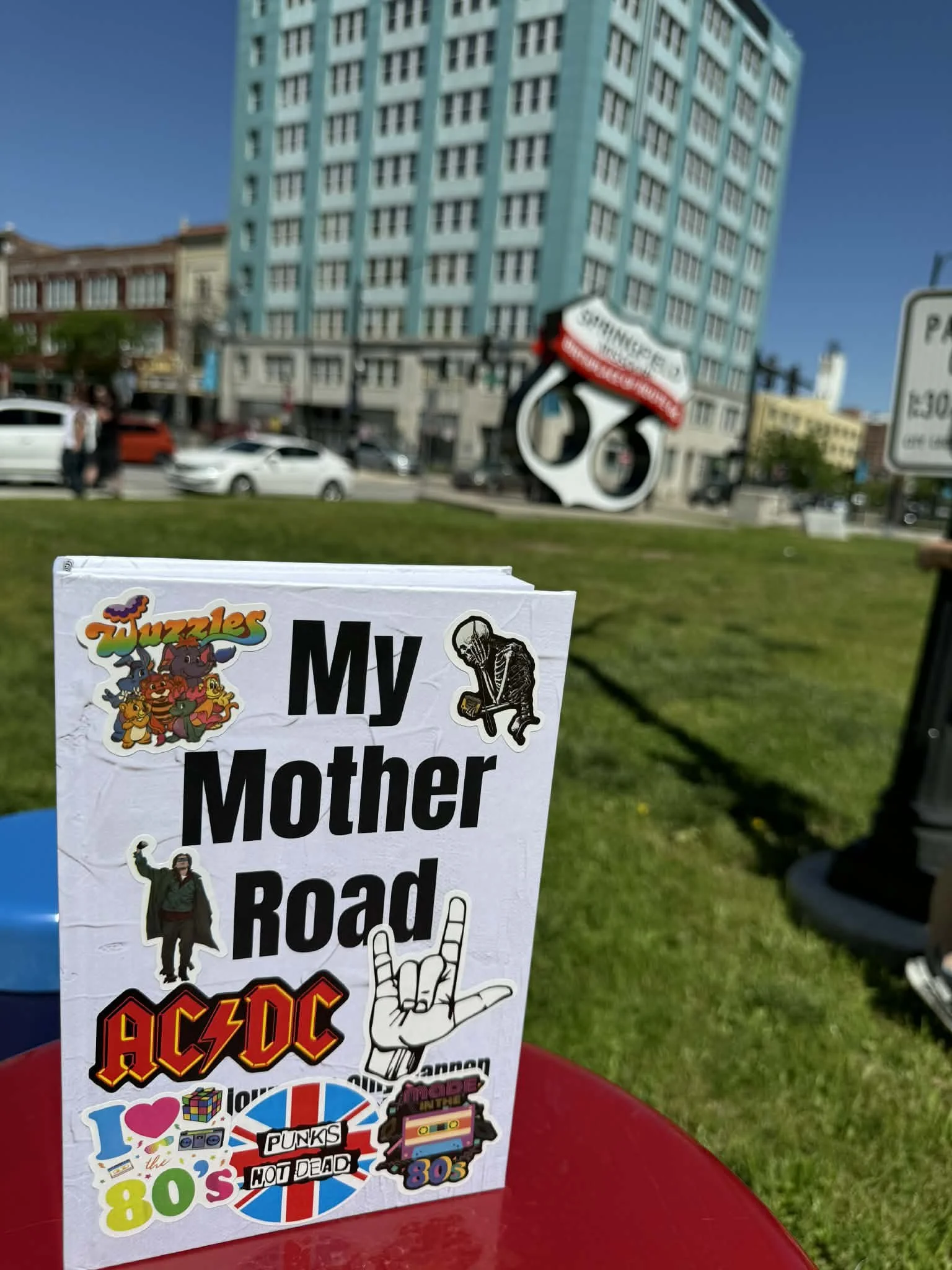
10 years ago today I completed the rough draft of what has been my best selling book, and my most consequential journey. My Mother Road was a journey of letting go of my mother, of the person that I wish she had been.
In the book, Annette wanted to come back, but what I found when I finally found my own mother was that she never did. She was happy to be gone, happy to pretend we didn’t exist, and happy not to have to atone for her sins. My mother Road is a coming-of-age story about 17 year old Matilda Banks, but also about my coming of age at 44 years old.
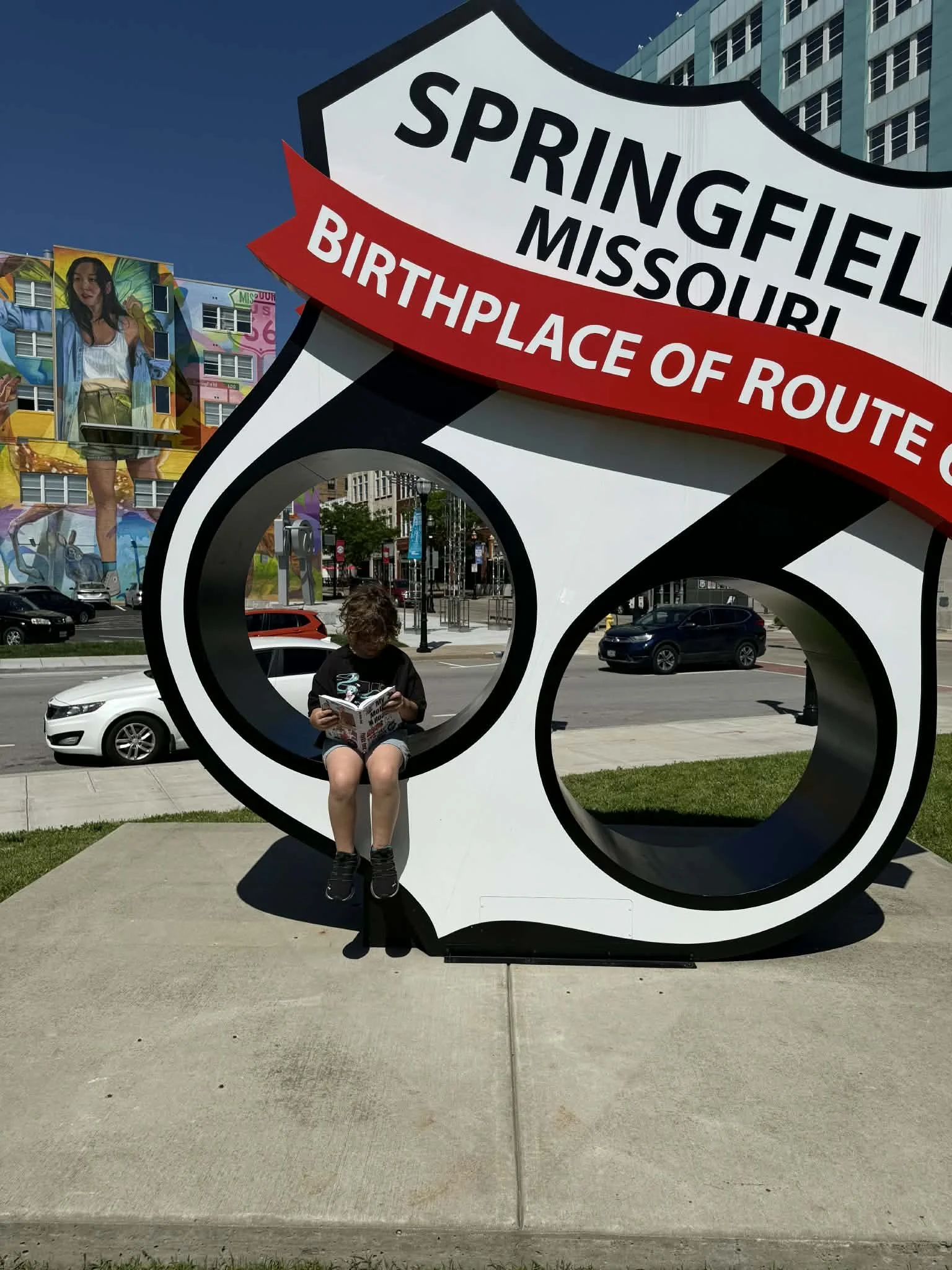
The writing process itself became my own Route 66, a brutal, mile-by-mile excavation of grief and misplaced hope. Every word I wrote for Matilda, every hardship she faced on the road, was a mirror reflecting the abandonment I felt, not just as a child, but throughout my life. I poured years of wishing for a mother who cared into the fictional character of Annette, creating a narrative where, at least for Matilda, her mother's journey had a noble, if tragic, purpose: scattering her father's ashes.
But the real-life ending was far harsher. The fiction offered a catharsis my reality denied. The moment I finally found my mother—the woman who never did want to come back—was the moment the true purpose of the book snapped into focus. It wasn't about finding her; it was about acknowledging that she was gone by choice, and that the beautiful, longing story I had written was the funeral for the mother I had invented in my head.
Writing My Mother Road helped me, at 44, give myself the permission that Matilda, at 17, was seeking: the permission to stop waiting. It allowed me to close the chapter on the fictional Annette and, more importantly, the real one. The book’s success isn't just a measure of sales; it’s a monument to the self-acceptance that comes after realizing that some people choose to walk away, and the only journey that truly matters is the one you take toward yourself.